Image source and edits
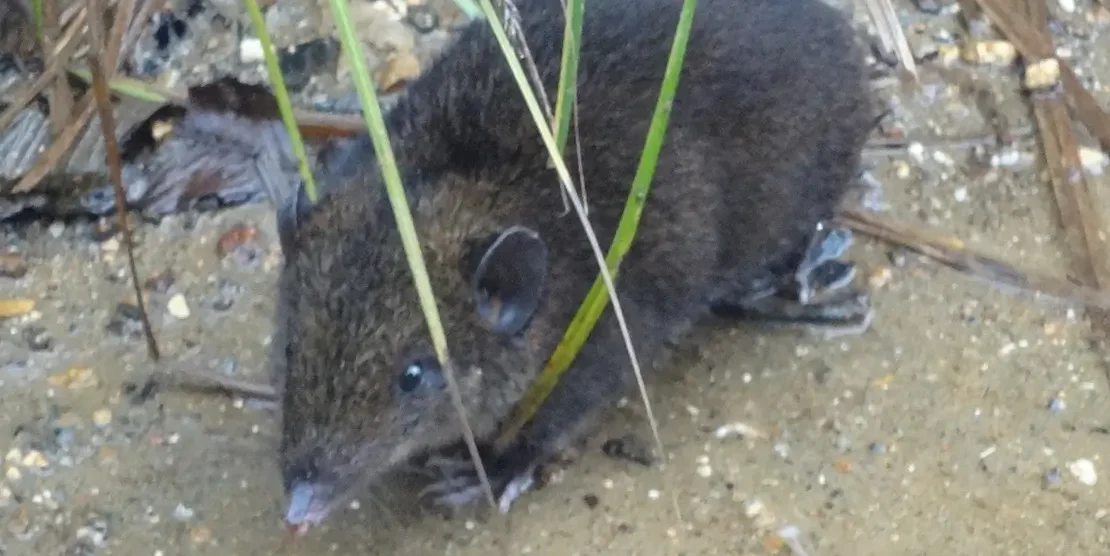
Hylomys suillus dorsalis. Reduced in size, converted to WebP and cropped for display. The adapted image is available under the same licence.

WWF: 234 new species described in the Mekong region
Archive news from December 2024, revised on 12 November 2026. The year and geographical scope have been clarified. The earlier unsupported claim about snake venom has been removed.
In December 2024, WWF presented a compilation of 234 new species in the Greater Mekong region. The information concerns 2023 and covers Cambodia, Laos, Myanmar, Thailand and Vietnam.
The total applies to the whole region, not Thailand alone. WWF also notes that the compilation excludes, among other groups, invertebrates, fungi, mosses and algae.
Local knowledge helped researchers
One example is the snake Rhabdophis hmongorum from northern Vietnam. It was named after the Hmong people after two local porters helped researchers find it.
WWF also describes the begonia Begonia kayinensis in Myanmar. A photograph posted on social media by a nature enthusiast helped bring the plant to researchers’ attention.
New to science
A scientific description of a species does not mean it was previously unknown to the people living in the area. WWF distinguishes between finding an organism and the scientific work of examining, delimiting and naming a species.
The gymnure in the image was photographed on Borneo in 2012 and is used as an illustration. It is not presented as one of the report’s new findings.